
A large amount of alcohol takes longer to metabolize than a small amount. Individual factors such as body weight, age, and gender also influence the duration alcohol remains in your system. Alcohol is a psychoactive substance found in beverages like beer, wine, and spirits, chemically known as ethanol and commonly consumed for its central nervous system depressant effects. When alcohol is consumed, it enters the bloodstream through the stomach and small intestine, and is eventually expelled from the body through various means—including the lungs.
Factors Influencing Breathalyzer Detection Times
However, other factors impact how quickly alcohol may leave the body, such as the amount and type of alcohol consumed, metabolism, gender, medications, age, and weight. The liver metabolizes alcohol, but about 10 percent of the alcohol leaves the body through our breath, sweat, and urine. As you probably can’t get rid of alcohol breath, it’s better to wait until your blood alcohol content (BAC) is .02% or lower to drive.
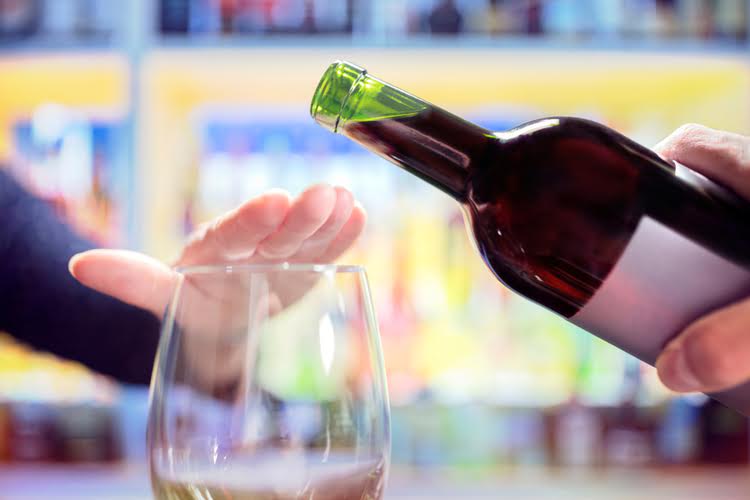
Drinking Despite Negative Consequences
Most people are unaware of the standard drink sizes and drink heavily without meaning to. Long after the intoxication of drinking alcohol has worn off, your blood alcohol concentration (BAC) can still be detected with a breathalyzer. Your body, mostly your liver, processes alcohol at a rate of 0.015 grams per hour, about the equivalent of one drink. When you’re stopped by law enforcement, officers may test for alcohol using a breathalyzer. If you’ve been drinking, the alcohol on your breath could result in a positive reading, even if you’ve waited a few hours after drinking.

The answer to the question “How long does alcohol smell last on breath? ” varies based on several factors such as the amount of alcohol consumed, the individual’s metabolism, and the type of alcoholic beverage consumed. Typically, alcohol can be detected on the breath for a period of 12 to 24 hours after consumption. However, it’s important to note that breathalyzer tests can detect alcohol for much longer periods.
Cleanbreak Recovery offers a holistic approach to overcoming substance abuse and addiction and support for lasting Recovery. Join us for evidence-based guidelines, expert tips, and resources for a new life. If someone is drug addiction treatment showing any of these symptoms, don’t try to snap them out of it or assume that they’ll sleep it off. The only way to deal with alcohol poisoning is by getting emergency medical attention.
Can the alcohol smell be concealed using breath mints or sprays?
A variety of factors can affect the rate at which alcohol is metabolized, including your weight, gender, age, how much you drank, and how quickly you drank it. Other factors like your overall health and the type of alcohol you drank can also affect how quickly alcohol leaves your breath. https://electrumsarl.com/2021/10/12/addiction-what-it-is-causes-symptoms-types/ Breathalyzers work on the principle that the amount of alcohol in the breath correlates to blood alcohol levels.
Health Conditions
Consider, for example, the scenario where you drink excessively one night and end how long does alcohol stay in your system up going to bed at 2 a.m. A police officer stops you for speeding and smells alcohol on your breath. The odor may lead the officer to question you about driving while under the influence.
- How quickly alcohol leaves your system also depends on how much you weigh.
- The liver breaks down alcohol into water and carbon dioxide, which is then expelled by the lungs.
- Some prescription and over-the-counter medications can impact enzymes used to break down alcohol.
- Your body processes alcohol at the rate of around one standard-sized drink per hour, but booze can be detected in your blood, breath, and pee for a long time afterwards.
- Fourth, if you are a smoker, try to avoid smoking for at least an hour after you have been drinking.
How To Get Rid Of Alcohol Breath?
Generally, alcohol can be detected on the breath for up to 24 hours, but the highest accuracy occurs within the first few hours after drinking. Alcohol can remain on your breath for several hours after drinking, with the exact duration influenced by factors like the amount consumed, your body’s metabolism, and overall health. While most people eliminate alcohol at a fairly steady rate, there’s no quick fix to clear it from your breath instantly. Breathalyzers can still detect alcohol long after you feel sober, making it risky to assume you’re fit to drive or return to certain activities.
Additionally, drinking water or eating food while drinking can help to slow down the rate of alcohol absorption and can help your body process the alcohol more quickly. In contrast, a urine test exposes alcohol in the body for twelve to twenty-four hours. However, some newer urine tests detect alcohol for up to seventy-two hours, and saliva tests also work for up to twenty-four hours. Surprisingly, alcohol can be observed in the hair for up to ninety days. As mentioned above, how long alcohol stays in an individual’s system depends on how fast their body metabolizes the alcohol.
The first thing to consider is the concentration of ethanol in the individual’s breath. Generally speaking, the higher the concentration of ethanol, the longer the breath will remain detectable. Additionally, the rate of metabolism can also play a role in how long alcohol breath lasts. People with a higher rate of metabolism tend to have shorter-lived alcohol breath, while those with a slower metabolism tend to have longer-lasting alcohol breath. Alcohol breath is caused by the presence of ethanol, which is the active ingredient in alcoholic beverages. When a person drinks an alcoholic beverage, the ethanol is absorbed into the bloodstream and is eventually exhaled through the lungs.
If you don’t have enough ADH or ALDH, your stomach will send the alcohol directly to the small intestine. From there, it hits your bloodstream and your brain, and you start feeling its effects. The liver gets most of the attention when it comes to alcohol metabolism. According to Dr. Singh, the vast majority of the alcohol you drink is metabolized by your liver, while a very small amount is fully digested with no side effects. Also, ignore the myth that your body recognizes different liquors differently.